
 08045812285
 Send Inquiry
 English
 Spanish
 French
 German
 Italian
 Chinese (Simplified)
 Japanese
 Korean
 Arabic
 Portuguese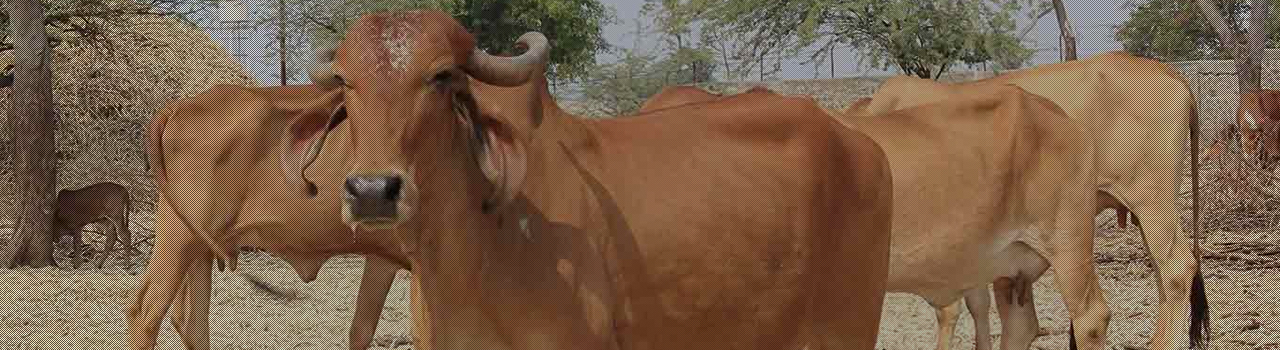

 Send Inquiry
Tharparkar Cow
Price 70000.0 INR/ Unit
MOQ : 5 Units
Tharparkar Cow Specification
- Product Type
- Cow
- Commercial Uses
- Dairy Farm
- Weight
- 350-450 kg (adult cow), 400-500 kg (bull)
- Color
- Brown
- Breed
- Tharparkar
- Age
- 2-8 Years
- Gender
- Female
- Disease Resistance
- High tolerance to heat and diseases
- Horn Shape
- Upward and outward curved
- Milk Fat Percentage
- 4.5% - 5%
- Body Type
- Medium size, long and deep bodied
- Milk Yield
- 1800-2600 litres per lactation
- Economic Importance
- Popular dual-purpose (milk & draught) cattle in Indian arid regions
- Temperament
- Docile and hardy
- Skin Type
- Loose and soft skin
- Hump
- Well-developed large hump
Tharparkar Cow Trade Information
- Minimum Order Quantity
- 5 Units
- Supply Ability
- 100 Units Per Day
- Delivery Time
- 01 Days
- Main Export Market(s)
- Asia
- Main Domestic Market
- All India
About Tharparkar Cow
Known as the most trusted dairy farm in India and the world, we have emerged as one of the best exporters and suppliers of cattle and buffaloes. The Tharparkar Cow supplied by us is the breed of cows widely famous for good milking. The nutritive contents in their milk are quite good. Their milk yielding capacity is approximately 1750 kilograms per lactation. Tharparkar Cow is also used for producing Karan Fries breed of the cattle.
Features:
- Can survive on locally grown bushes during drought conditions
- Can survive in hot environment
- Are disease-resistant
Breed Overview: Adapted for Arid Regions
Tharparkar cows are expertly adapted to the harsh, dry climates of Indian arid regions. Their loose, soft skin, and well-developed hump help them cope with environmental stress. Renowned for resilience, these cattle are often favored by farmers for both milk and draught work, offering reliable productivity under tough conditions.
Dairy Output: Rich and Consistent Yield
Producing between 1800 to 2600 litres of milk per lactation with a high fat content of 4.5% to 5%, Tharparkar cows are ideal for dairy operations. The milk's richness is especially advantageous for making ghee and traditional dairy products, supporting both commercial and household demands efficiently.
Commercial Value and Usage
Tharparkar cows serve as versatile assets in dairy farms thanks to their sustained milk yield and robust draught capabilities. Their hardy nature and economic benefits make them a reliable choice for distributors, exporters, suppliers, and traders. These cows contribute significantly to rural livelihoods by supporting agricultural and dairy needs.
FAQ's of Tharparkar Cow:
Q: How is the Tharparkar cow beneficial for dairy farmers in arid regions?
A: The Tharparkar cow is highly beneficial for dairy farmers in arid areas due to its strong resistance to heat and diseases, ensuring consistent milk production even in harsh climates. Its docile temperament and ability to yield 1800-2600 litres of milk per lactation make it a reliable choice for both milk and draught needs.Q: What is the average milk yield and fat percentage of a Tharparkar cow?
A: A Tharparkar cow typically produces 1800-2600 litres of milk per lactation with a fat percentage ranging from 4.5% to 5%. This makes the milk not only abundant but also rich in quality, suitable for commercial and household dairy use.Q: When is the ideal age range to utilize Tharparkar cows for optimal productivity?
A: Tharparkar cows show optimal productivity between the ages of 2 to 8 years. During this period, they achieve their best balance of milk yield, draught power, and overall health, making them ideal for commercial purposes.Q: Where are Tharparkar cattle primarily distributed and supplied?
A: Tharparkar cattle are primarily distributed and supplied across India, especially in the arid regions where their adaptability is most valuable. They are available from distributors, exporters, service providers, suppliers, and traders specializing in indigenous breeds.Q: What commercial purposes does the Tharparkar cow serve?
A: The Tharparkar cow is a popular dual-purpose breed used for both dairy farming and as draught animals. Their consistent milk yield and robust physique make them suitable for various agricultural tasks and commercial dairy operations.Q: How is disease resistance manifested in Tharparkar cows?
A: Tharparkar cows exhibit high resistance to common cattle diseases and environmental stress. This trait reduces healthcare costs and losses, thereby increasing their value for farmers and reducing risk in herd management.Q: What is the recommended process for incorporating Tharparkar cows into a dairy operation?
A: To incorporate Tharparkar cows, select healthy adult females within the 2-8 years age range from reputable distributors. Ensure proper acclimatization, maintain a balanced diet suitable for arid climates, and implement regular health checks to maximize both milk yield and draught performance.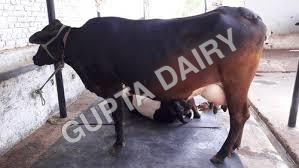
Tell us about your requirement

Price:
Quantity
Select Unit
- 50
- 100
- 200
- 250
- 500
- 1000+
Additional detail
Mobile number
Email

More Products in Indian Breed Cow Category
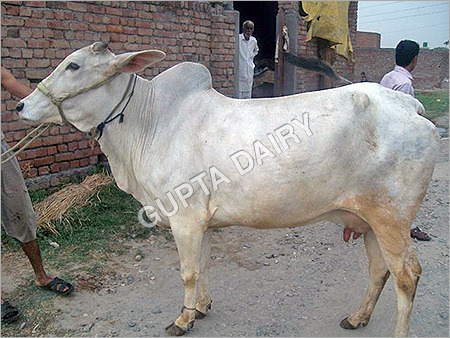
Hariana Cow
Price 50000.0 INR / Unit
Minimum Order Quantity : 5 Units
Product Type : Cow
Age : 38 Years
Color : White
Commercial Uses : Dairy Farm
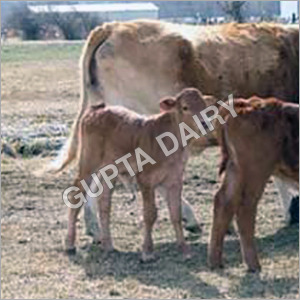
Sahiwal Heifer
Price 30000.0 INR / Unit
Minimum Order Quantity : 5 Units
Product Type : Cow
Age : 1.53 Years
Color : Brown
Commercial Uses : Dairy Farm
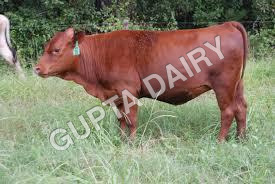
Red Cow
Price 55000.0 INR / Unit
Minimum Order Quantity : 5 Units
Product Type : Red Cow
Age : 25 Years
Color : Red
Commercial Uses : Dairy Farm
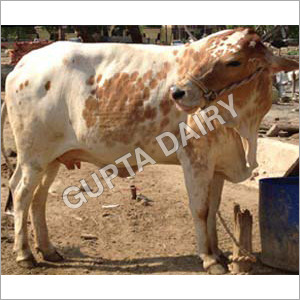
Rathi Cow
Price 60000.0 INR / Number
Minimum Order Quantity : 5 Units
Product Type : Cow
Age : Adult
Color : White Brown
Commercial Uses : Dairy Farm

We are dealing only in bulk orders.
Reach Us
GUPTA DAIRY

- Doon Valley College Road, Chand Sarai, Jundla Gate, Karnal - 132001, Haryana, India
- Phone :08045812285
-
 Send Inquiry
 Send Inquiry
- Mr Suresh Kumar Gupta (Proprietor)
- Mobile :08045812285

|


 Send Inquiry
 Send SMS
 |
GUPTA DAIRY
All Rights Reserved.(Terms of Use) Developed and Managed by Infocom Network Private Limited. |
